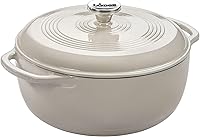
How to Bake Bread in a Dutch Oven
To learn how to bake bread in a Dutch oven, preheat a covered pot if your recipe calls for it, bake the dough covered first, then uncover it to brown the crust.
On this page (10 sections)
- How do you bake bread in a Dutch oven?
- Why does a Dutch oven help bread rise?
- Should you preheat the Dutch oven first?
- How do you put dough into a hot Dutch oven?
- When should you remove the lid?
- What if you don't have a Dutch oven?
- How do you choose a Dutch oven for bread?
- What mistakes should you avoid when baking bread in a Dutch oven?
- How do you care for the pot after baking?
- Which Dutch oven should you choose for bread?
To learn how to bake bread in a Dutch oven, preheat a covered pot if your recipe calls for it, bake the dough covered first, then uncover it to brown the crust. The enclosed space traps moisture from the dough while it rises, helping the crust stay flexible early in the bake.
How do you bake bread in a Dutch oven?
Bake bread in a Dutch oven by heating the pot when the recipe calls for it, transferring in the shaped dough, and covering it for the first part of the bake. Uncover the pot for the final part, following the recipe's temperature and timing.
- Read the recipe and your Dutch oven's heat instructions.
- Preheat the oven and covered pot if the recipe calls for a hot start.
- Carefully transfer the shaped dough into the pot.
- Cover and bake for the time stated in the recipe.
- Remove the lid when the recipe says to brown the loaf.
- Take the bread out and let it cool before slicing.
Use oven mitts when handling the hot pot and lid. Set the lid on a stable, heat-safe surface, and clear the path from oven to counter before you start.
Why does a Dutch oven help bread rise?
A Dutch oven holds heat and traps some moisture released by the dough. This covered space gives the loaf time to expand before the crust sets.
Steam matters most early in baking, when the loaf is still rising. Removing the lid later lets moisture escape so the crust can brown.
Follow the recipe's covered and uncovered stages. Doughs and loaves vary, so one timing may not work for every bake.
Should you preheat the Dutch oven first?
Preheat the Dutch oven when your recipe calls for a hot pot. Heating a covered pot helps the dough begin baking right away, but the cookware's care directions and temperature limits come first.
A heavy pot and lid can be awkward to handle when hot. Before preheating, clear a place for the lid and make sure your oven mitts give you a secure grip.
Some recipes allow dough to go into a cool pot before it enters the oven. Use that approach only when the recipe supports it.
Can you bake bread in an enameled Dutch oven?
Yes, an enameled Dutch oven can bake bread if its heat guidance allows the recipe's temperature. Enamel doesn't need seasoning, but sudden temperature changes can damage cookware.
The Le Creuset Round Bread Oven has a domed lid designed to trap and circulate steam, plus a low-profile base for the loaf. Its porcelain enamel finish needs no seasoning.
Check your cookware and oven instructions before preheating them together. Our guide to cast iron, enameled, and camp Dutch ovens explains the differences between these pot types.
How do you put dough into a hot Dutch oven?
Lower the dough carefully and keep your hands and sleeves clear of the rim. Use the transfer method in your recipe, such as parchment if the recipe calls for it.
The Lodge 5 Qt Double Dutch Oven has a lid that also works as a skillet, so it can handle bread and other meals. Its cast iron construction retains heat.
Use the handles and lid only as directed. See what you can cook in a Dutch oven for ideas beyond bread.
When should you remove the lid?
Remove the lid when your recipe says the loaf should begin browning. The uncovered stage lets the crust dry and darken.
Keep the lid off for the remaining time, then check the loaf using the recipe's doneness cues. If the crust browns too quickly, follow the recipe's adjustment guidance instead of guessing at a new temperature.
Set the lid somewhere safe while the loaf finishes. Avoid placing it on a cold or wet surface.
Can a deep pot work for baking bread?
Yes, a deep pot can bake bread if the loaf fits and the recipe calls for a covered bake. A skillet-style lid can cover a smaller pot and help hold in steam.
The Lodge 3.2 Qt Combo Cooker has a deep pot and skillet lid that can be used together or separately. Choose it if you also want the skillet for everyday cooking; skip it if you need a larger pot for bigger loaves.
Compare your dough's shape with the pot before choosing this style. For a dedicated baking design, see our guide to bread ovens for home baking.
What if you don't have a Dutch oven?
A Dutch oven isn't the only way to bake bread. Use a recipe written for a baking stone, covered baker, or another oven-safe setup if you don't have a suitable pot.
For a pot-free approach, follow a recipe that explains how to create steam in your oven. Don't pour water onto a hot oven floor or glass door.
If you're choosing cookware, think about how often you'll bake and what else you'll cook in the pot. A Dutch oven that also serves for stews and roasts may be a better fit than a dedicated bread oven.
Is an enameled pot suitable for bread?
An enameled pot can suit bread if its shape and size fit your loaf and its heat guidance supports the recipe. A roomy pot also gives you space for other meals, though it may be more cookware than you need for small round loaves.
The Nuovva is a 6.4 qt enameled cast iron pot with a lid, described for bread baking, roasting, and stewing. It suits cooks who want one larger pot for several jobs; skip it if you want a compact bread-only design.
Check the pot's care directions and dimensions against your recipe. Compare dedicated designs in best bread ovens for home baking.
How do you choose a Dutch oven for bread?
Choose a pot that fits your loaf, supports the recipe's heat, and feels manageable to move when hot. A standard Dutch oven can work well, while a purpose-made bread oven is shaped around baking and steam.
Bare cast iron needs seasoning and careful drying. Enameled cookware skips seasoning, but you should follow its care instructions and avoid sudden temperature changes.
A combo cooker suits you if you want a skillet lid and a pot that can do other jobs. For more on these materials, read our guide to cast iron Dutch ovens.
What mistakes should you avoid when baking bread in a Dutch oven?
The common mistakes are ignoring cookware heat guidance, handling a hot lid without a clear place to set it, and uncovering the loaf too early. Repeated lid lifting also releases heat and steam.
Don't assume every recipe uses the same preheating method or bake time. Follow its covered and uncovered stages, and use the cookware's own care directions, especially with enamel.
How do you care for the pot after baking?
Let the pot cool before cleaning it, then follow its care instructions. Bare cast iron should be dried thoroughly and maintained with oil; enameled cookware doesn't need seasoning.
For a bare cast iron pot, see our guide to how to season a cast iron Dutch oven. Cool the loaf on a rack before slicing so steam can escape and the crumb can set.
Which Dutch oven should you choose for bread?
Choose the Lodge Double Dutch Oven if you want a 5 qt cast iron pot that doubles as a skillet. Pick the Lodge Combo Cooker for a smaller pot and a skillet lid, or the Le Creuset Bread Oven if you mainly bake round loaves and want a purpose-made shape.
Choose the Nuovva if a larger enameled pot that can also handle stews and roasts fits your kitchen. For recipes and baking ideas, browse Dutch oven cookbooks.
Frequently asked questions
Do you preheat a Dutch oven before baking bread?
Preheat the Dutch oven with its lid on when your recipe calls for a hot pot. A heated covered pot gives the dough a hot, enclosed space and helps trap moisture released by the loaf.
Use oven mitts, clear a stable place for the lid, and follow the cookware's heat instructions.
How long should bread bake covered in a Dutch oven?
Follow the recipe because loaf size, dough, and oven temperature affect the timing. Many recipes keep the pot covered for the first part, then uncover it so the crust can brown.
Use the recipe's doneness cues and avoid lifting the lid repeatedly, which releases heat and steam.
Can you bake bread in an enameled Dutch oven?
Yes, an enameled Dutch oven can bake bread if its heat guidance allows the recipe's temperature. It doesn't need seasoning, but avoid sudden temperature changes and use suitable tools to protect the enamel.
A purpose-made bread oven is an option if you bake round loaves often.
What size Dutch oven is best for bread?
Choose a pot that leaves room for the dough to expand while keeping the loaf contained. Match the pot to your recipe and loaf shape, and check its inside dimensions as well as capacity.
A smaller bread oven suits round loaves; a larger pot offers more room for other cooking.