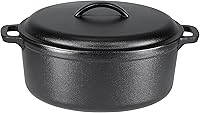
How to Clean a Cast Iron Dutch Oven
Wash bare cast iron by hand with warm water and a little soap, dry it promptly, then wipe on a very thin coat of oil. Avoid soaking the pot or leaving it wet, since moisture can lead to rust.
On this page (8 sections)
- How do you clean a cast iron Dutch oven after cooking?
- Can you use soap on seasoned cast iron?
- Which cleaning tools work for bare cast iron?
- How should you dry and oil the pot?
- What should you avoid when cleaning cast iron?
- How do you clean an enameled Dutch oven?
- How do you store a cast iron Dutch oven after cleaning?
- What is the simplest cast iron cleaning routine?
To clean a cast iron Dutch oven, wash it by hand with warm water and a little soap, dry it right away, then wipe on a very thin coat of oil. Avoid soaking bare cast iron or leaving it damp, because moisture can cause rust.
For stuck food, add a little water and simmer it for 3 to 5 minutes. Let the pot cool, loosen the residue with a scraper or gentle scrubber, then rinse and dry it fully.
How do you clean a cast iron Dutch oven after cooking?
Wash the pot by hand soon after it cools enough to handle. Warm water and a small amount of soap can remove grease and food residue without harming well-maintained seasoning.
Use a soft brush, cloth, or scraper, and work around the cooking surface and corners. Rinse away soap and loosened food, then dry with a lint-free towel or paper towel.
Don't leave the pot in a sink of water or put it away damp. If you want more detail on the differences between bare and coated cookware, see our guide to cast iron, enameled, and camp Dutch ovens.
Can you use soap on seasoned cast iron?
Yes, a little dish soap is fine for routine cleaning. The important steps are gentle washing, thorough drying, and a light oil coat if the surface needs it.
Avoid harsh oven cleaner, lye, and long soaks for ordinary cleanup. If you have a bare cast iron pot with patchy or worn seasoning, our guide to how to season a Dutch oven explains how to build the protective layer again.
What if food is stuck to the bottom?
Simmer a shallow layer of water for 3 to 5 minutes to loosen stubborn food. Let the water cool before using a scraper, and avoid prying hard at the surface.
A pan scraper can reach the curved base and corners without needing a metal knife. The Lodge Cast Iron Pan Scrapers have multiple edges for cookware cleanup.
Scrape gently, rinse away the loosened food, and dry the pot fully. If residue remains, repeat the simmer instead of forcing a tool against the seasoning.
Which cleaning tools work for bare cast iron?
Choose a tool that loosens residue with light pressure. A brush suits loose food, while a scraper or chainmail pad can help with more stubborn bits.
The Lodge Cast Iron Scrub Brush has sturdy bristles and an ergonomic handle for cookware cleanup. Use steady, moderate pressure, then rinse the bristles and pot.
For stuck-on bits that need more scrubbing, the Lodge Chainmail Scrubbing Pad has stainless steel chainmail and a silicone center for grip.
Use the least abrasive tool that gets the job done. If the seasoning looks thin or uneven, stop scrubbing harder and follow the steps in how to season a Dutch oven.
How should you dry and oil the pot?
Dry bare cast iron promptly and completely, then apply only a thin layer of oil. Pay attention to the rim, handles, and any spot where water can collect.
After towel-drying, you can warm the pot briefly over low heat to evaporate remaining moisture. Remove it from the heat before wiping on oil.
Lodge Cast Iron Seasoning Spray is made with 100% canola oil and has no additives or propellants. Use a small amount, then wipe the surface until no oily residue remains.
Too much oil can leave a sticky surface. Wipe again with a clean towel so the pot looks lightly coated rather than wet.
What should you avoid when cleaning cast iron?
Avoid soaking, harsh cleaners, and forceful scraping. Those habits can expose the iron to rust or damage the seasoning.
Don't pour cold water into a very hot pot, since a sharp temperature change can stress cast iron. Let the cookware cool before washing, and avoid using a knife or metal utensil to chip at stuck food.
Bare cast iron and enamel need different care. Enamel doesn't need an oil layer, and abrasive tools can scratch its finish; our guide to what you can cook in a Dutch oven also explains how the cookware type affects use.
How do you clean an enameled Dutch oven?
Use the care instructions for the specific pot, and avoid metal scrubbing tools on enamel. Enameled cookware has a glass coating, so it doesn't need the oiling step used for bare cast iron.
For cooked-on food, soak with warm soapy water after the pot cools, then use a nonabrasive sponge or brush. Don't use the bare-cast-iron routine automatically if your Dutch oven has an enamel interior.
How do you store a cast iron Dutch oven after cleaning?
Store it completely dry with the lid slightly ajar if possible. A little airflow helps prevent trapped moisture from lingering inside.
If you stack cookware, place a dry towel or paper towel between the lid and pot. Keep the pot in a dry cabinet, and check it before cooking if it has been stored for a long time.
What is the simplest cast iron cleaning routine?
For routine cleanup, wash with warm water and a little soap, dry the pot fully, and wipe on a very thin layer of oil. Simmer water first when food is stuck, and use gentle tools rather than scraping with force.
Choose a scraper for corners and stuck residue, a brush for everyday cleanup, or chainmail when a little extra scrubbing is needed. If the surface needs seasoning after repeated use, follow our cast iron Dutch oven guide for more care and cookware information.
Frequently asked questions
Can you use soap to clean a cast iron Dutch oven?
Yes, a small amount of mild dish soap is fine for cleaning seasoned cast iron. Wash by hand with warm water and a soft brush or scraper, rinse well, then dry promptly.
Avoid soaking the pot or using harsh cleaners that can strip the seasoning.
How do you remove stuck-on food from cast iron?
Add water to the pot and simmer it for a few minutes to loosen stubborn residue. Let the pot cool enough to handle, then use a scraper or gentle scrubber.
Rinse, dry thoroughly, and apply a very thin coat of oil.
Should you oil a cast iron Dutch oven after washing?
A very thin coat of cooking oil after cleaning helps maintain the seasoning. Wipe it over the dry cooking surface, then use a clean towel to remove any visible residue.
The pot should feel nearly dry, not greasy.
Can you clean an enameled Dutch oven the same way?
No, care depends on the surface. Bare cast iron benefits from a thin oil coat, while enamel doesn't need seasoning and can be scratched by metal tools.
Check the maker's care instructions for your pot and use nonabrasive cleaning tools on enamel.