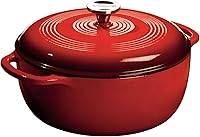
How to Reseason a Cast Iron Dutch Oven
Here's how to reseason a cast iron Dutch oven: scour off loose rust and flaking seasoning, dry the iron completely, rub on a very thin layer of oil, and bake it at 450°F to 500°F for an hour. Repeat the oil-and-bake step two or three times, then cook with it.
On this page (8 sections)
- Why does a cast iron Dutch oven lose its seasoning?
- How do you tell when a Dutch oven needs reseasoning?
- Do you have to strip the old seasoning first?
- How do you dry a Dutch oven before seasoning?
- What's the best method for reseasoning?
- How do you reseason a Camp Dutch oven over fire?
- How do you stop new seasoning from sticking or flaking?
- How do you keep the new seasoning healthy over time?
Here's how to reseason a cast iron Dutch oven: scour off loose rust and flaking seasoning, dry the iron completely, rub on a very thin layer of oil, and bake it at 450°F to 500°F for an hour. Repeat the oil-and-bake step two or three times, then start cooking with it again.
Most Dutch ovens don't need a full strip. A dull surface or a few sticky spots usually recovers with a wash, a light oil layer and one bake.
Why does a cast iron Dutch oven lose its seasoning?
Seasoning is a layer of polymerized oil bonded to the iron, and it wears down for ordinary reasons. Cooking acidic foods, scrubbing too hard, or leaving the pot damp can all thin it out.
The layer also builds unevenly, because a Dutch oven has deep sides that see less scraping than a skillet bottom. Those walls stay thinner and dull first.
Once the oil film breaks, the bare iron is exposed. That's when you see pale grey patches, a chalky feel, or a little rust after washing.
A sticky surface is the other failure mode, and it comes from too much oil at once. Thick oil cures soft and gummy instead of hard and glossy.
A pot that sat in a damp cabinet all winter can also pick up surface rust on the rim, and that rust needs to come off before any new oil goes on.
How do you tell when a Dutch oven needs reseasoning?
Look for grey patches, dull matte walls, sticking food, or orange-brown rust spots. Those are the clear signs to reseason a cast iron dutch oven rather than just oil it after a wash.
Run a finger across the inside wall. Bare iron feels rough and chalky; well-seasoned iron feels smooth and slightly slick.
Test with a quick fry. If eggs or pancakes stick in the middle of the pan, the cooking surface has lost its layer.
Small dry patches near the rim are cosmetic. Flaking black bits in your stew are not, so strip that pot properly.
Check the lid too, since moisture collects under it and can leave rust rings on the underside.
Do you have to strip the old seasoning first?
Only strip a Dutch oven when the old layer is flaking, sticky, or badly rusted. A dull but intact surface just needs a refresh, not a full teardown.
Stripping means removing the seasoning down to bare iron, using steel wool or a scouring pad with hot water and a little soap. Keep going until the water runs clear and the iron looks even.
This is the same vigorous scrubbing most cooks avoid day to day, so read our guide to how to clean a cast iron dutch oven to see when a hard scrub is safe.
For a stuck-on layer, the Lodge Chainmail Scrubbing Pad handles the work. Its stainless steel chainmail creates a textured surface that works through baked-on residue, with a silicone center for a comfortable grip.
The pad measures about 5 inches long, so it reaches into the corners of a deep pot without your knuckles scraping the walls.
It's dishwasher-safe and compact, so it stores easily in a drawer and stays within reach whenever a pot needs a scrub.
How do you dry a Dutch oven before seasoning?
Dry it completely and warm it slightly before any oil goes on. Water trapped under the oil is the reason many seasoning jobs fail, because it turns to steam in the oven and lifts the new layer.
Towel-dry the pot, then set it on a burner over low heat for a few minutes. A warm surface also helps the oil spread thin.
Move it off the heat and let it cool just enough to touch. Oiling a scorching pot is awkward and easy to overdo.
If your pot has a lid, dry that too. Moisture collects under a lid and rusts the rim.
Set the lid slightly ajar while it air-dries so the trapped air can escape.
What's the best method for reseasoning?
Rub on a thin film of oil, wipe it off, and bake the pot upside down in a hot oven. This is the standard oven method, and it works well for a deep Dutch oven.
Set the oven to 450°F to 500°F. Line the lower rack with foil to catch drips, then put the pot and lid in upside down.
Bake for about an hour, then switch off the oven and let the iron cool inside it. Slow cooling keeps the new layer from cracking.
Repeat the oil-and-bake cycle two or three times. Each pass adds a thin, hard layer.
A pot that only needed a light refresh may be fine after one pass, while one stripped to bare iron needs more.
For the full walkthrough of this process, see how to season a dutch oven. Reseasoning is that same routine applied to a pot that has slipped.
How much oil should you use?
Use the least oil you can spread, then wipe it off as if you made a mistake. A paper towel should take off almost all of it.
A thick coat is the leading cause of a sticky finish. Shiny patches that feel tacky after baking mean the layer was too thick.
The fix is to scrub the soft spots and bake a thinner layer, not to add more oil.
Warm the iron first, apply a few drops, spread them with a cloth and wipe the surface dry. What stays behind is enough.
For a deep pot, work the sides and the lid rim as well as the bottom, because those are the spots that get missed.
Which oils cure hard?
Pick a neutral oil with a high smoke point, such as canola, vegetable, or refined coconut oil. These cure into a hard, smooth layer at oven temperatures.
The Lodge Cast Iron Seasoning Spray is 100% canola oil with no additives or propellants. It has adjustable spray settings, which helps you apply a light, even coat.
The 8-fluid-ounce can covers many rounds of maintenance, and the spray reaches the curved walls of a Dutch oven better than a cloth dipped in a bottle.
Caron and Doucet makes a plant-based conditioning oil from refined coconut oil that the brand says does not go rancid. It's also made to help clear food odors, with a light scent that the brand says won't transfer to food.
Whichever oil you choose, keep each coat thin and let it cure fully.
How do you reseason a Camp Dutch oven over fire?
Heat it evenly, wipe on a whisper of oil, and let it smoke off and cool. A camp oven with legs and a rimmed lid takes the same oil but a different heat source.
Build a modest fire and let it burn down to coals. Set the oven over a thin bed of coals, and a few coals on the lid if the lid needs work too.
Rotate the oven every few minutes so no side overheats. When the metal is hot but not glowing, wipe on a thin oil film and let it smoke.
Take it off the heat and let it cool slowly. Repeat on later trips, because camp ovens often sit unused for months.
A chainmail pad helps loosen any rust that builds up during storage, and it packs easily into a camp kit.
How do you stop new seasoning from sticking or flaking?
Bake thin layers at a high temperature and let the pot cool fully between coats. Sticky seasoning is nearly always too much oil or too little heat.
Flaking usually means the layer went on thick, or a newer layer was baked over a greasy one. Scrub the flakes, then start again with a thinner coat.
If the flakes have left rust underneath, take the iron back to bare metal before you oil it.
Don't cook acidic dishes like tomato stew in a freshly reseasoned pot. The acid eats the new layer before it hardens.
Wait a week of normal cooking before judging the finish. It deepens with every meal.
How do you keep the new seasoning healthy over time?
Cook in it often, clean it gently, and dry it fully. Everyday frying and baking keeps the layer building, which is why a well-used pot never seems to need much.
Wipe it out with a cloth after light use. Save the soap and scrub for sticky messes, and always dry it promptly on low heat or with a towel.
A pot that stays damp between meals is the one that rusts.
A drop of oil after each wash is enough to refresh the surface. Our primer on cast iron dutch ovens covers what to look for if you're also shopping for a second pot.
Lodge's spray and the Caron and Doucet oil both suit routine touch-ups, so you can keep the layer topped up without a full bake each time.
If it wears thin again, run the full reseasoning routine. A quick wipe of oil after each wash keeps the pot in good shape between full jobs.
Reseasoning a cast iron Dutch oven is less about a recipe and more about patience: strip only what's loose, dry the iron, oil it thin, and bake it hot. Do that and your pot comes back better than it left.
If you're weighing an enameled pot instead, our guide to enameled cast iron dutch oven 6 qt options explains why those never need this method at all.
Frequently asked questions
Can you reseason a cast iron Dutch oven without stripping it?
Yes. If the old seasoning is only thin or dull, wash it, dry it, rub on a thin oil layer and bake it.
Strip it back to bare iron only when the seasoning is flaking, sticky, or rusted.
What oil is best for reseasoning cast iron?
An oil with a high smoke point that cures hard works best, such as canola, vegetable, or refined coconut oil. Apply it thin, because thick oil turns sticky instead of forming a smooth layer.
How often should you reseason a Dutch oven?
Reseason when the surface looks dull, food starts sticking, or you spot pale grey patches. A Dutch oven used often may only need a touch-up every few months, while one that has stripped needs a full job.
Does reseasoning fix a rusty Dutch oven?
Yes, as long as the rust is on the surface. Scour it off with steel wool or chainmail, rinse and dry the iron, then bake on new oil layers.
Deep pitting that has eaten into the metal will stay, but seasoning covers it.
Can you reseason an enameled Dutch oven the same way?
No. Enamel is a glass coating, and baking oil onto it does nothing.
A chipped or stained enamel interior needs a different fix.
The reseasoning method here is for bare cast iron only.