Stainless Steel Dutch Oven vs Cast Iron: Which Is Better? (November 2026)
Pick cast iron for browning, braising and oven heat; pick stainless steel for lighter lifting, faster cleanup and steaming. In the stainless steel dutch oven vs cast iron choice, your stove, your lifting limit and whether you steam decide more than the pot itself.
On this page (11 sections)
- The quick verdict: which pot should most people buy?
- Stainless steel vs cast iron Dutch ovens side by side
- Which pot browns meat and builds a better braise?
- Which one handles high oven heat?
- Which is easier to lift and store?
- Which is better for acidic food like tomato and wine?
- Which is easier to clean and care for?
- Which is better for steaming vegetables and rice?
- Who should buy the stainless steel Dutch oven?
- Who should buy the cast iron Dutch oven?
- Stainless steel Dutch oven vs cast iron: the final call
Pick cast iron for browning, braising and oven heat; pick stainless steel for lighter lifting, faster cleanup and steaming. In the stainless steel dutch oven vs cast iron choice, your stove, your lifting limit and whether you steam decide more than the pot itself.
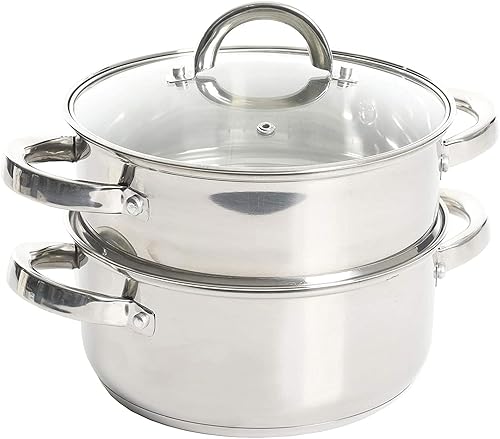
The two pots here differ in more than material. The Oster Sangerfield is a 3-quart stainless steel Dutch oven with a fitted steamer basket.
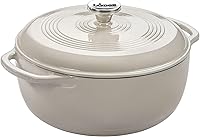
The Lodge Essential is a 6-quart enameled cast iron Dutch oven built for oven braises.
Both move from stovetop to oven. This comparison looks at weight, heat, oven limits, acidic food, cleaning and what each one cooks best.
 Best for steaming and light lifting
Oster Dutch Oven with Steamer Basket 3-Quart
 Best for browning and oven braises
Lodge Essential Enamel Cast Iron Dutch Oven
The quick verdict: which pot should most people buy?
The Lodge Essential Enamel Cast Iron Dutch Oven is the better overall pick for most cooks. Its 6-quart size and 500°F oven rating suit braises, stews, roasts and bread, which is what most people reach for a Dutch oven to do.
The Oster wins a clear second place for two jobs. Its fitted steamer basket makes vegetables, rice and tamales easy, and its 3.2-pound body is far easier to lift than the 13.5-pound Lodge.
So the split is simple. Take the cast iron pot when browning and oven heat matter.
Take the stainless steel pot when you steam often and want light, dishwasher-safe cleanup.
Stainless steel vs cast iron Dutch ovens side by side
Cast iron holds heat longer and takes higher oven temperatures; stainless steel is lighter and easier to clean. The table below sets the two pots next to each other on the points that change daily cooking.
| Feature | Oster Sangerfield 3-Quart | Lodge Essential Enamel 6-Quart |
|---|---|---|
| Material | Stainless steel | Enameled cast iron |
| Capacity | 3 quarts | 6 quarts |
| Weight | 3.2 lb | 13.5 lb |
| Diameter | 8.5 in | 13.25 in wide |
| Oven safe | 400°F | 500°F |
| Cooktop | Stainless steel base | Gas, electric, ceramic, induction |
| Steamer basket | Yes, fitted | No |
| Cleaning | Dishwasher safe | Hand wash only |
| Acidic food | No reaction | Enamel resists reaction |
The table shows the trade in plain numbers. The Lodge gives you more capacity and more oven heat, but you carry 13.5 pounds and wash it by hand.
The Oster gives you a steamer and easy cleanup in a smaller, lighter pot.
What each material does well
Stainless steel heats fast and cools fast. That makes it handy for boiling, steaming and simmering, where you adjust the burner as you go.
Its base spreads heat across the bottom, so rice and sauces cook evenly without hot spots.
Cast iron takes longer to heat but holds that heat once it's there. A sear stays hot when you add cold meat, and a braise keeps a steady temperature in the oven.
The Lodge's enamel coating adds a smooth cooking surface and blocks acidic food from touching the iron.
The lids and handles differ too
The Oster's glass lid lets you watch steaming vegetables and rice without lifting the lid and letting steam escape. That matters when the basket sits on top and you want to check doneness without interrupting the cook.
The stainless body has a mirror satin finish that shows smudges and needs a wipe now and then.
The Lodge's lid is cast iron, so it seals in moisture and adds weight on top of the pot. That moisture-sealing lid is why it works so well for bread baking and long braises.
The dual handles on the Lodge make it easier to grip a heavy load, though you still feel all 13.5 pounds when you lift it from the oven.
The Oster's 8.5-inch round body and 6.2-inch height mean it sits low and fits tight shelves. The Lodge is round and much wider at 13.25 inches, so it needs more cabinet room and a free spot on the counter while it cools.
Neither pot nests well under another, so plan the storage space before you buy.
Which pot browns meat and builds a better braise?
Cast iron browns better and braises more evenly, so it wins this round. Its mass holds heat when food goes in, and the enamel surface lets you sear without sticking as much as bare iron.
The Lodge Essential is built for the sear-then-braise method. Brown meat on the stovetop, add liquid and aromatics, then move the whole pot to the oven.
The 6-quart size leaves room for a whole chicken or a large roast.
Stainless steel can sear, but a thin pot loses heat when cold food lands in it. The Oster's stainless base heats evenly, yet it's a 3-quart pot, so a large roast won't fit.
For slow-cooked meat in sauce, the cast iron pot does the job with less fuss.
If you want to go deeper on coating choices, our comparison of cast iron vs enameled dutch oven covers how the surface changes browning and care. For bare iron picks, see the cast iron dutch oven roundup.
Which one handles high oven heat?
The Lodge wins on oven heat with a 500°F rating against the Oster's 400°F. That 100-degree gap matters for bread baking and high-heat roasting.
Bread bakers preheat a Dutch oven hot and bake at 450°F to 500°F. The Lodge Essential takes that heat.
The Oster's glass lid and stainless body are rated only to 400°F, so it's better for stews and moderate oven braises.
If you plan to bake no-knead bread or roast at high heat, the cast iron pot is the safer buy. If your oven cooking stays at 350°F to 400°F, the stainless pot is fine.
The Lodge 5 quart cast iron dutch oven review shows how a slightly smaller Lodge handles bread and braises. The double-lid version is covered in the Lodge double dutch oven review.
Which is easier to lift and store?
Stainless steel wins on weight and storage, since the Oster weighs 3.2 pounds against 13.5 pounds for the Lodge. That gap shows up when you move a full pot from oven to table.
The Oster is also compact. At 8.5 inches across and 6.2 inches tall, it fits in tight cabinets and small kitchens.
A full 3-quart pot is light enough for most people to lift with one hand on each side.
The Lodge measures about 13.25 inches wide and 6 inches tall and weighs 13.5 pounds empty. Add a braise and it gets heavy fast.
Its dual handles help, but lifting it in and out of a hot oven takes care.
If you have wrist or shoulder limits, or a small kitchen, the stainless pot is the kinder choice. If you have oven space and want one pot that does the heavy cooking, the cast iron earns its weight.
Which is better for acidic food like tomato and wine?
Both handle acidic food, but the enameled cast iron does it with less worry. The Lodge's porcelain enamel coating blocks the iron from touching tomatoes, wine or vinegar.
Bare cast iron can react with acid and give sauces a metallic edge. That's why many cooks keep tomato braises out of uncoated iron.
The Lodge Essential's enamel surface won't react with food, so you can marinate, cook and refrigerate in the same pot.
Stainless steel is also non-reactive. The Oster's steel body won't affect a tomato sauce or a lemon broth.
The difference is that the Lodge brings cast iron's heat retention to that acidic braise without the reaction risk.
The Lodge's maker also notes that the enamel surface is stain resistant and holds up to acidic ingredients. That means you can leave a tomato sauce in the pot while it cools without worrying about a metallic taste, and you can move the same pot to the fridge to store leftovers.
Stainless gives you the same neutral cooking, so the acid question is really about how much heat you want behind that sauce.
Which is easier to clean and care for?
Stainless steel wins on cleanup; the Oster is dishwasher safe while the Lodge is hand wash only. That's the biggest daily-life gap between the two.
The Oster's care instructions say dishwasher safe with hand washing recommended to keep the finish. For a weeknight pot, the dishwasher option is hard to beat.
Stainless also resists rust and corrosion, so it holds up to regular use.
The Lodge needs warm, soapy water and a nylon scrub brush. The maker recommends hand washing to keep the enamel in good shape.
Enamel releases food more easily than bare iron, so scrubbing is usually light, but it's still hand work.
Neither pot needs seasoning. That's a point in favor of both for cooks who don't want the bare-iron routine.
For more on keeping coated pots in shape, read our care and how-to guides.
What that means week to week
A stainless pot you can load in the dishwasher gets used more often on busy nights. You scrape it, stack it and move on.
The Lodge asks for a few minutes at the sink after every braise, and its 13.5 pounds make washing a heavier job than a light stainless pot.
That care gap adds up over months. If you cook three or four times a week, the hand-wash routine is a real factor in which pot you reach for.
The enamel does release stuck-on food with a short soak, so the Lodge is not hard to clean, just more deliberate. For cooks who already hand wash cast iron, the routine feels normal and the heat retention pays it back.
Which is better for steaming vegetables and rice?
Stainless steel wins for steaming, and the Oster's fitted basket is the reason. You can steam vegetables on top while rice simmers in the pot below, so two things cook at once.
The steamer basket sits inside the 3-quart pot. That setup suits vegetables, rice and tamales, and steaming keeps more nutrients than boiling.
The glass lid lets you watch without lifting it and losing steam.
The Lodge has no steamer insert. You can still boil or simmer in it, and its wide base works for rice, but you'd need a separate basket to steam.
If steaming is a regular part of your cooking, the Oster's basket saves you a purchase and a cabinet slot.
The tamales and rice case
Tamales are the clearest win for the Oster. Steaming them in the basket keeps them moist instead of drying them out in a hot oven.
Rice works the same way: simmer it in the pot below while vegetables steam above, and both finish around the same time.
The Lodge's wide base does make it good for rice and grains in larger batches. A 6-quart pot can hold rice for a crowd, and its heat retention keeps the simmer steady.
But without a basket, you cannot steam two things at once, and you lose the set-it-and-check-through-the-glass-lid ease of the Oster.
Who should buy the stainless steel Dutch oven?
Buy the Oster if you steam often, lift carefully or want dishwasher cleanup. It's the better fit for small kitchens, apartments and cooks who cook for one or two people.
The 3-quart size suits smaller households. Its 8.5-inch diameter fits tight cabinets.
The steamer basket earns its place if you cook rice, vegetables or tamales regularly.
Choose it too if weight is a concern. At 3.2 pounds it's easy to move, and the dishwasher handles cleanup.
Just keep oven use at 400°F or below and skip high-heat bread baking.
Who should buy the cast iron Dutch oven?
Buy the Lodge Essential if you braise, sear, bake bread or cook for a crowd. The 6-quart capacity and 500°F rating cover the jobs a Dutch oven is famous for.
It's the pick for stews, pot roasts, chili, no-knead bread and oven-braised meats. The enamel handles tomato and wine without reacting.
It also works on induction, gas, electric and ceramic cooktops.
Accept the weight and the hand washing. If you have the oven space and the strength for a 13.5-pound pot, it's the more capable cooker.
For more options in this style, browse our enameled ovens category.
Stainless steel Dutch oven vs cast iron: the final call
For most kitchens, the cast iron Dutch oven is the better buy, with stainless steel the smarter choice for steaming and light lifting. The stainless steel dutch oven vs cast iron decision comes down to what you cook and what you can carry.
Pick the Lodge Essential if you braise, sear and bake, and you want one pot that holds heat and takes 500°F. Pick the Oster Sangerfield if you steam often, cook for one or two, or want a light pot you can put in the dishwasher.
If you're still weighing coatings, the cast iron vs enameled dutch oven guide helps you choose a surface. And if bread baking is the goal, start with the Lodge 5 quart cast iron dutch oven review.
Frequently asked questions
Is a stainless steel or cast iron Dutch oven better for most people?
Cast iron is better for most people who braise, sear and bake. It holds heat through long cooks and handles oven heat to 500°F.
Stainless steel wins when weight and cleanup matter more than browning.
Can you use a stainless steel Dutch oven on an induction cooktop?
Yes, when the pot's base is magnetic. Check that a magnet sticks to the bottom before you buy.
The Oster Sangerfield has a stainless steel body and base, so confirm induction support for that exact model before ordering.
Does cast iron react with tomato sauce?
Bare cast iron can react with acidic food and pick up a metallic taste. An enamel coating blocks that reaction.
The Lodge Essential has a porcelain enamel surface the maker says won't react with food, so tomato and wine braises are fine in it.
Which Dutch oven is easier to clean?
Stainless steel is easier to clean. The Oster Sangerfield is dishwasher safe.
The Lodge Essential is hand wash only with warm, soapy water and a nylon brush.
Enamel does release food more easily than bare iron, but it still needs hand care.