Cast Iron vs Enameled Dutch Oven: Which Is Better for You? (October 2026)
Choose bare cast iron for campfire use and a finish you can renew; choose enameled cast iron for acidic foods and care without seasoning. Both hold heat well, so your cooking surface and routine matter most.
On this page (8 sections)
- Cast iron vs enameled Dutch oven: what is the difference?
- Which one is better for the food you cook?
- Which Dutch oven needs more care?
- Which pot is easier to use on the stove and in the oven?
- Is bare cast iron or enameled cast iron heavier?
- Which one gives you more cooking flexibility?
- Which Lodge Dutch oven fits your kitchen?
- Cast iron vs enameled Dutch oven: which should you choose?
Choose bare cast iron for campfire cooking and a finish you can renew; choose enameled cast iron for acidic recipes and care without seasoning. Both types retain heat, so the better Dutch oven depends on what you cook and how you want to maintain it.
Bare cast iron has a seasoned cooking surface. Enameled cast iron has a glass-like coating over the iron, which protects it from rust and keeps acidic ingredients from contacting bare metal.
For a broader overview of the differences, see our plain guide to bare, enameled and camp Dutch ovens. This comparison focuses on the tradeoffs that affect everyday cooking.
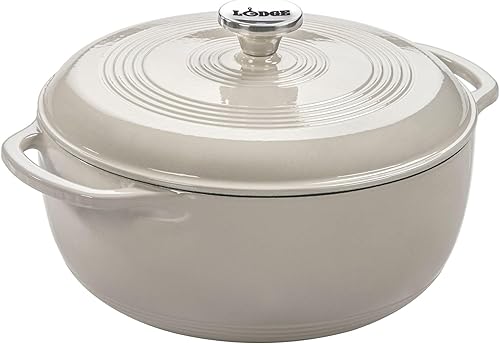

Cast iron vs enameled Dutch oven: what is the difference?
The main difference is the cooking surface: bare iron needs seasoning, while enamel covers the iron and needs no seasoning. Both use cast iron to hold and spread heat.
Seasoning is a layer of baked-on oil that helps protect bare iron and gives it a smoother cooking surface. It can build with use, but it needs care: dry the pot promptly and add a light coat of oil when needed.
Enamel removes that seasoning routine. It also creates a nonreactive surface for acidic ingredients, though the coating can chip if the pot is dropped, struck or handled roughly.
The Lodge enameled Dutch oven is a 6 qt model with an oven limit of 500°F. The bare cast iron options here are rated to 400°F, and they can also be used on a grill or campfire.
Which one is better for the food you cook?
Choose enamel for tomato, wine and vinegar-based dishes; choose bare iron for general-purpose cooking that may include outdoor heat. Your usual recipes can make the choice straightforward.
Acidic ingredients can interact with bare iron, especially during long cooking. A tomato sauce or wine braise may weaken seasoning and pick up a metallic taste.
The enamel surface avoids that contact. It's useful when one pot moves from browning to a long simmer with acidic liquids.
Bare iron handles soups, stews, braises, roasting and bread baking. For bread, see our guide on how to bake bread in a Dutch oven.
Is bare or enameled cast iron better for camp cooking?
Bare cast iron is the more suitable choice for a campfire. Enameled cookware is better kept to controlled stovetop and oven heat.
A camp pot may sit over coals or a fire, and its lid can help retain heat. Bare iron can handle that setting when the pot is designed for it.
An enamel coating can be damaged by high direct heat, impacts or rough outdoor handling. If campfire cooking is your main reason for buying a Dutch oven, compare the options in our camping Dutch oven guide.
Does enamel work better for simmering and braising?
Enamel is the easier fit for long braises that use tomatoes, wine or other acidic ingredients. It also avoids the seasoning upkeep that bare iron needs.
Bare iron remains a good choice for braises built around broth, vegetables and meat. Use enamel if your recipe's acidity or your preference for simpler cleanup makes seasoning care a hassle.
Which Dutch oven needs more care?
Bare cast iron needs more routine care because it can rust if left wet and its seasoning can wear down. Enamel skips seasoning, but needs gentle handling to protect its coating.
After cleaning bare iron, dry it thoroughly rather than leaving water to air-dry on the surface. If the seasoning looks dull or food sticks more than usual, a thin coat of oil and careful heating can help maintain it.
Read our guide to seasoning a cast iron Dutch oven for the basic process. Our cast iron cleaning guide explains how to remove food without stripping the seasoning.
For enamel, warm water, dish soap and a nylon brush are a practical starting point. Avoid hard knocks and sudden temperature changes, which can stress the coating.
What happens if an enameled Dutch oven chips?
A chip can expose the cast iron beneath the enamel, so check the cooking surface before use. Don't keep using a pot if loose coating could get into food.
Enamel is hard and smooth, but it isn't unbreakable. Set the pot down carefully, use utensils that won't damage the finish and let it cool before washing.
Bare cast iron doesn't have an enamel layer to chip. It can still rust or lose seasoning, but those issues can often be addressed through cleaning and re-seasoning.
Which pot is easier to use on the stove and in the oven?
Both types work on common stovetops and in the oven, but check the temperature limit for the exact pot. Enameled cast iron is not a campfire substitute.
The Lodge enameled model is oven safe up to 500°F and stovetop compatible. The bare cast iron models are oven safe and can also be used on stovetops, grills and campfires; their listed temperature rating is 400°F.
A Dutch oven's lid can have its own limit, particularly if it has a knob made from a different material. Check the care guidance for your specific pot before putting it under a broiler or into a very hot oven.
For more on heat limits and lids, use our guide to Dutch oven oven safety. For stovetop compatibility, see using a Dutch oven on gas, electric and glass top stoves.
Is bare cast iron or enameled cast iron heavier?
Weight depends on the model and capacity, not only on whether the pot is bare or enameled. These Lodge examples are heavy enough that full-pot handling deserves a little planning.
The 7 qt bare cast iron pot weighs 17.6 lb, while the 6 qt enameled model weighs 14.9 lb. The 5 qt bare cast iron model weighs 12.8 lb.
Those weights are for the pots, before adding food. Think about moving a hot, full pot between the stove and oven, and whether the handles are comfortable for you to grip with oven mitts.
If lifting is a concern, compare pot weight and capacity together. Our lightweight Dutch oven guide can help you look at lighter options.
Which one gives you more cooking flexibility?
Bare cast iron gives you more flexibility across indoor and outdoor heat; enamel gives you more flexibility with acidic foods and serving. The right kind of flexibility depends on your kitchen.
Bare iron can move between stovetop, oven, grill and campfire use. It also has a durable surface that can be renewed through seasoning care.
Enameled cast iron can go from stovetop cooking to the oven and then to the table. The coating also allows you to marinate and refrigerate food in the pot.
The enamel color can be part of the serving setup, while bare iron has a plain, dark surface. Both can cook one-pot meals, soups and braises, so you don't need to choose by recipe variety alone.
Which Lodge Dutch oven fits your kitchen?
Pick the enamel model for acidic cooking and less seasoning upkeep, the 7 qt bare iron pot for outdoor use and larger batches, or the 5 qt bare pot for smaller batches. These options solve different needs rather than offering one universal winner.
The Lodge 6 Qt Enameled Dutch Oven suits cooks who want to braise with wine or tomato and serve from the same pot. Lodge recommends hand washing with warm, soapy water and a nylon brush to help keep the finish in good shape.
The Lodge 5 Qt Cast Iron Dutch Oven keeps the bare iron care routine but takes less capacity than the 7 qt option. It weighs 12.8 lb.
The Lodge 7 Qt Cast Iron Dutch Oven is a fit if you want one pot for home and outdoor cooking. Its 17.6 lb weight is worth considering before you plan to lift it when full.
Cast iron vs enameled Dutch oven: which should you choose?
Choose bare cast iron if campfire use, renewable seasoning and broad heat options matter most; choose enamel if acidic recipes and simpler surface care matter more. For many home kitchens, an enameled pot is the easier everyday choice, while bare iron is a strong fit for outdoor cooking.
If you want a single pot for tomato sauces and slow braises, choose enamel. If you want a pot that can also sit over a campfire, choose bare cast iron and follow its care routine.
See our cast iron Dutch oven guide for more bare iron options. Use the campfire guide for enameled Dutch ovens if you are weighing outdoor use.
Frequently asked questions
Is cast iron or enameled cast iron better?
Enameled cast iron suits acidic recipes and cooks who don't want to maintain seasoning. Bare cast iron suits campfire cooking and people who want a finish they can renew.
Both retain heat well, so choose based on the food you cook and how you want to care for the pot.
Can I cook tomato sauce in bare cast iron?
A short cook may be manageable in well-seasoned cast iron, but long or frequent cooking of acidic foods can affect the seasoning and may give food a metallic taste. Enameled cast iron is a more reliable choice for tomato sauce, wine braises and other acidic dishes.
Does an enameled Dutch oven need seasoning?
No. The enamel coating covers the cast iron cooking surface, so it doesn't need a seasoning layer.
Wash it by hand with warm, soapy water and a nylon brush to care for the finish, and avoid rough handling that could chip the enamel.
Can you use bare cast iron on a campfire?
Yes, bare cast iron can be used on a campfire when the pot is made for that use and you follow its care and heat guidance. Enameled cookware is generally a poor campfire choice because direct, uneven fire heat and rough handling can damage the enamel.
Which Dutch oven is easier to clean?
Enameled cast iron is easier for many cooks because it doesn't need seasoning and its smooth surface handles acidic food. Bare cast iron can also be cleaned with warm water and a brush, but you should dry it promptly and maintain its seasoning to limit rust.


