Dutch Oven vs Stock Pot: Which One Should You Buy? (October 2026)
Choose a Dutch oven for browning, braising, and oven cooking; choose a stock pot for lighter handling and larger batches of liquid. The right fit depends on your recipes, cooktop, and how much weight you want to lift.
On this page (9 sections)
- Dutch oven vs stock pot: which should you buy?
- How do shape and material affect cooking?
- Which pot suits soup, stock, and pasta?
- Which pot is easier to lift, clean, and store?
- Which pot works on your cooktop and in the oven?
- How should you set up and use your new pot?
- What common mistakes should you avoid?
- Which pot should you choose for your cooking style?
- Dutch oven vs stock pot: which one is right for you?
For dutch oven vs stock pot, choose a Dutch oven for browning, braising, and oven cooking, or a stock pot for lighter handling and larger batches of liquid. Consider what you cook most, how you move hot cookware, and whether you need the pot to go into the oven.
Dutch ovens and stock pots can both simmer soup and stew. Their main difference is how they handle heat and weight: cast iron holds heat well, while lighter stainless steel or aluminum pots are easier to lift when full.
The names can overlap. One Cooks Standard pot is described as both a Dutch oven and a stock pot, so look at the material, shape, cooktop fit, and oven limits before choosing.

Dutch oven vs stock pot: which should you buy?
Buy a Dutch oven if you want one pot for stovetop and oven recipes; buy a stock pot if you value lighter handling and room for liquid. Your usual cooking matters more than the name on the pot.
A Dutch oven typically has a broad base and heavy walls. That shape gives you room to brown ingredients before adding liquid, and the retained heat helps maintain a steady simmer for a braise or stew.
A stock pot is usually taller and lighter. Its height holds plenty of liquid while keeping the base footprint manageable, which is useful for pasta water, soup, and stock.
Start with your most common meal. If you make a pot of soup every week and rarely move cookware into the oven, a lighter pot may be the better daily choice.
If you often brown meat, add liquid, and finish a dish covered in the oven, a Dutch oven can handle each step in one vessel.
| Product | Best for | Capacity | Material | Oven use | Our score |
|---|---|---|---|---|---|
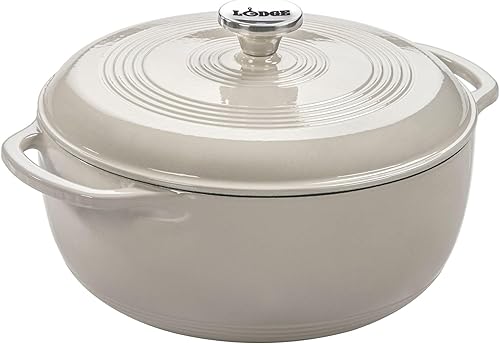
| Lodge 6 Qt Enameled Dutch Oven | everyday cooks | 6 qt | Enameled cast iron | Up to 500°F | 9.1 |
| Mueller DuraCast 6 Qt Dutch Oven | bread bakers | 6 qt | Enameled cast iron | Up to 500°F | 8.1 |
| Cooks Standard 6 Qt Stainless Dutch Oven | pasta nights | 6 qt | 18/10 stainless steel | Up to 500°F; lid to 350°F | 7.7 |
| Cooks Standard 7 Qt Hard Anodized Dutch Oven | larger batches | 7 qt | Hard anodized aluminum | 7.6 |
How do shape and material affect cooking?
A Dutch oven's thick cast iron walls retain heat, while a lighter stock pot is easier to handle for liquid-heavy cooking. The difference shows up when you brown ingredients, keep a simmer steady, or carry the pot to the sink.
Enameled cast iron does not need seasoning, and the enamel surfaces of the Lodge and Mueller pots are suitable for acidic ingredients such as tomatoes. Bare cast iron has different care needs, so compare bare, enameled, and camp Dutch ovens before choosing a finish.
Stainless steel suits everyday boiling and simmering. The Cooks Standard 6 qt pot has an aluminum disc in its base to spread heat, and its glass lid has a steam vent so you can see the food as it cooks.
The Cooks Standard 7 qt option uses hard anodized aluminum with a nonstick surface. It is much lighter than the cast iron pots here, but it won't work on an induction cooktop.
Material affects cleanup, too. Enameled cast iron avoids the seasoning routine of bare cast iron, while stainless steel offers dishwasher-safe cleanup for the 6 qt Cooks Standard pot.
For cast iron care, see our guide to cleaning a cast iron Dutch oven.
Which pot suits soup, stock, and pasta?
A stock pot is a strong fit for large volumes of soup, stock, and pasta water; a Dutch oven suits smaller batches that begin with browning or finish in the oven. Pick a capacity that leaves room to stir and is still comfortable to lift.
A 6 qt pot handles many family meals, but it can feel crowded when you make a large batch of stock or boil pasta for a crowd. The 7 qt Cooks Standard model adds room, though its hard anodized base is not induction compatible.
For soup that starts with softened vegetables or browned meat, a Dutch oven's broad base makes the first step easier. The same pot can then hold a steady simmer for stews and braises.
For broth, pasta, or a large amount of liquid, the taller sides of a stock pot give you space to work. If you'd like more ideas for meals made in cast iron, browse what you can cook in a Dutch oven.
Is a Dutch oven good for making stock?
A Dutch oven can make stock if the batch fits comfortably below the rim and you can move the filled pot safely. Its heavy body retains heat, but lifting it with hot liquid inside can be awkward.
For frequent large batches, choose enough capacity to leave room for ingredients and simmering. Set the pot on a stable burner before filling it, and avoid carrying it farther than necessary when full.
Is a stock pot good for braising?
A stock pot can hold braising liquid, but a Dutch oven is usually more convenient when the recipe starts with browning. A broad base gives ingredients more direct contact with the cooking surface.
Before using a stock pot in the oven, check the temperature limit for both the pot and lid. Glass lids can have a lower limit than the body, as with the Cooks Standard stainless and hard anodized models.
Which pot is easier to lift, clean, and store?
A stock pot is easier to lift when full, while a Dutch oven is heavier but can go from the stove to the oven and table. Include the filled weight and your storage space in the decision.
The Cooks Standard stainless pot weighs 5 lb, and the hard anodized 7 qt pot weighs 5.6 lb. The Lodge enameled cast iron pot weighs 14.9 lb, while the Mueller weighs 12.5 lb, before food is added.
A broad Dutch oven can take more shelf space than a tall stock pot. Measure cabinet height and shelf depth, and make sure you can grip the handles without bumping nearby cookware.
For easier cleanup, the stainless Cooks Standard pot is dishwasher safe. Hand washing is recommended for the Lodge and Mueller enameled pots, using warm, soapy water for the Lodge.
If you want cast iron but need to keep lifting manageable, compare the options in our lightweight Dutch oven guide. A lighter stock pot may still be the better fit if you regularly carry it full.
Which pot works on your cooktop and in the oven?
Check the exact cooktop and oven limits for the pot and lid before cooking. The Cooks Standard hard anodized pot does not work on induction, and glass lids have lower oven limits than their pots.
The Lodge enameled Dutch oven is stovetop compatible and oven safe to 500°F. The Mueller works on induction and other listed cooktops, and it is oven safe to 500°F.
The Cooks Standard stainless pot works on induction, gas, electric, glass, and ceramic cooktops. Its body is oven safe to 500°F, while the glass lid is rated to 350°F.
The hard anodized Cooks Standard pot works on gas, electric, ceramic, and glass cooktops, but not induction. Its body is oven safe to 500°F, and the glass lid is rated to 350°F.
For more guidance on oven use, see are Dutch ovens oven safe?. Follow the care and heat directions for your exact cookware, particularly when a recipe requires a hot oven.
How should you set up and use your new pot?
Match the burner to the pot, start with moderate heat, and plan how you'll move it before you fill it. A few simple habits help prevent spills, scorching, and avoidable strain.
Set a Dutch oven on a burner that supports its base. Cast iron retains heat, so it usually doesn't need the highest setting to maintain a simmer; give the pot time to heat instead of pushing it quickly to high heat.
For a stock pot, add liquid before turning on the burner when the recipe allows. Keep the pot stable and use enough water for pasta or stock without filling it to the brim, so stirring and simmering don't cause splashes.
Check that oven racks are positioned before transferring a heavy Dutch oven. Use dry oven mitts, keep the path clear, and ask for help if you can't safely control the pot with both hands.
Let cookware cool before washing. Avoid a sudden temperature change, which can stress hot cookware, and follow the care instructions for the material and lid.
What common mistakes should you avoid?
The most common mistake is buying for capacity alone without checking weight, cooktop fit, and oven use. A larger pot isn't a good choice if you can't comfortably handle it or use it on your stove.
Don't assume every Dutch oven or stock pot works on induction. The hard anodized Cooks Standard pot is specifically not induction compatible, while the stainless and the two enameled cast iron options here work on induction.
Don't assume the lid has the same oven limit as the pot. The Cooks Standard glass lids are rated to 350°F even though their pot bodies are rated to 500°F.
Avoid filling a heavy cast iron pot to the rim. Leave space to stir, simmer, and carry it safely, especially when it contains hot broth or stew.
Finally, don't choose cast iron just because it holds heat. If most of your cooking involves boiling water or moving a full pot, lighter stainless steel may serve you better.
Which pot should you choose for your cooking style?
Choose the Lodge for an all-purpose enameled Dutch oven, the Mueller for bread and braises, the stainless Cooks Standard for lighter liquid cooking, and the hard anodized Cooks Standard for added capacity. Each option suits a different routine.
The Lodge is a fit if you want a pot for recipes that move from stovetop to oven. Its enamel surface resists rust, and hand washing with warm, soapy water is recommended.
The Mueller suits cooks who want an enameled pot for bread baking, oven recipes, and induction use. Its 12.5 lb weight is worth considering before you plan to move it while full.
Choose the Cooks Standard stainless pot for lighter liquid cooking and everyday stovetop use. It is dishwasher safe, and the glass lid is oven safe to 350°F.
Pick this model when the extra quart matters and your cooktop is gas, electric, ceramic, or glass. Its aluminum body weighs 5.6 lb, and it isn't compatible with induction.
Dutch oven vs stock pot: which one is right for you?
Pick a Dutch oven if you often brown, braise, bake, or simmer in the same pot; pick a stock pot if you make large liquid batches and want easier lifting. The best choice is the one that fits your regular recipes, cooktop, and storage space.
Skip a heavy cast iron Dutch oven if you mostly boil pasta, make large amounts of stock, or find a full pot difficult to move. Choose a lighter stock pot for those jobs, and check its oven rating if you also want to bake with it.
If cast iron fits your routine, read what a Dutch oven is used for. That guide can help you decide whether the Dutch oven's range of cooking uses justifies its extra weight.
Frequently asked questions
Can you use a Dutch oven as a stock pot?
Yes, a Dutch oven can hold soup, stock, and other liquids when its capacity suits the batch. Its heavy cast iron body retains heat well, but a full pot takes more effort to lift.
For frequent large batches or pasta water, a lighter stock pot may be easier to handle.
Is a Dutch oven better than a stock pot for soup?
A Dutch oven suits soup that starts with browning or needs a long simmer, since cast iron retains heat and many models move from stovetop to oven. A stock pot is practical for larger volumes, boiling, and everyday stovetop cooking.
Choose by batch size and handling.
Can a stock pot go in the oven?
Some stock pots are oven safe, but the limit depends on the pot and its lid. The Cooks Standard stainless pot, for example, is oven safe to 500°F, while its glass lid is rated to 350°F.
Check the instructions for your exact cookware before placing it in an oven.
Which is easier to clean, a Dutch oven or stock pot?
A stainless steel stock pot is a practical choice for dishwasher cleanup when its care instructions allow it. Enameled cast iron doesn't need seasoning, but hand washing is recommended for the Lodge and Mueller pots here.
Follow the care directions for your specific pot.


