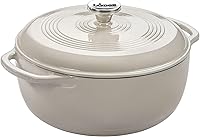
Can You Preheat an Enameled Cast Iron Dutch Oven?
Yes, you can preheat an enameled cast iron dutch oven, and it's worth doing for bread and searing. Warm it gently on the stovetop and keep the oven at or below 500 F so the enamel coating doesn't crack.
On this page (10 sections)
- Can you preheat enameled cast iron safely?
- What are the temperature limits for an enameled Dutch oven?
- How do you preheat an enameled Dutch oven on the stovetop?
- How do you preheat an enameled Dutch oven in the oven?
- Can you preheat an enameled Dutch oven empty?
- How do you preheat an enameled Dutch oven for bread?
- What mistakes damage the enamel during preheating?
- How do you care for the enamel after preheating?
- Do you ever need to season an enameled Dutch oven?
- Which Lodge enameled Dutch oven should you preheat?
Yes, you can preheat an enameled cast iron dutch oven, and it's worth doing for bread and searing. Warm it gently on the stovetop and keep the oven at or below 500 F so the enamel coating doesn't crack.
The enamel layer is glass-like and heats differently from the cast iron beneath it. A slow warm-up and a moderate top temperature keep both layers in step and protect the finish.
Can you preheat enameled cast iron safely?
You can preheat an enameled cast iron dutch oven safely as long as you go gradually. The pot is built to handle heat, but sudden temperature changes and dry surfaces put the enamel at risk.
Enamel sits on top of cast iron and expands at a different rate. A cold pot dropped into a 500 F oven, or an empty pot blasted on high gas, puts stress on that layer.
Warm it in stages and the coating stays intact.
The same rule applies to any enameled piece you buy. If you're still deciding between finishes, our comparison of cast iron vs enameled dutch ovens explains when the coated version is the better buy.
Enameled cast iron also earns its keep because the coating seals the iron, so a pot that gets preheated often still looks clean with normal care.
What are the temperature limits for an enameled Dutch oven?
Lodge rates its enameled Dutch ovens as oven safe up to 500 F, which covers bread baking and most braises.
Stay at or below the limit and let the oven do the heating. Broiler settings and open flames that hit the rim directly can exceed the limit and damage the enamel.
On the stovetop, keep the burner at low to medium. Cast iron holds heat well, so a modest setting keeps the base evenly warm without a hot spot.
The pot's care instructions matter here too. Lodge recommends hand washing, so the heat you put into the pot during preheating should be matched by a patient cool-down before it touches water.
How do you preheat an enameled Dutch oven on the stovetop?
Start on low and raise the heat in steps. Place the pot on the burner, set it low for a minute or two, then move up to medium.
Add a small amount of oil or water to the base before heating. A dry enamel surface can scorch or crack when it heats fast, and a thin film spreads the heat more evenly.
Let the whole base warm before you add food. A pan that's hot in the center and cold at the edges will brown unevenly and can shock the coating at the rim.
The dual handles make this step easier. Use dry towels or mitts on both sides when you shift the pot, since a warm cast iron body holds that heat.
Which cooktops can you preheat on?
The Lodge enameled pot is stovetop compatible with gas, electric, ceramic and induction. Induction heats the cast iron core directly, so it responds quickly and rewards a low starting setting.
How do you preheat an enameled Dutch oven in the oven?
Put the pot in a cold oven and let the oven and pot heat together. This is the gentlest method and the one to use when the recipe calls for a hot vessel.
Set the oven to your recipe's temperature, up to 500 F. Give the pot 20 to 30 minutes to reach temperature with the oven.
For bread baking, preheat the lid with the base so both are equally hot. Dry oven mitts are essential, because a hot enamel pot stays hot long after the oven is off.
Cast iron spreads heat evenly, so the sidewalls warm along with the base. That matters when you preheat for a braise and want the whole pot ready, not just the floor.
Can you preheat an enameled Dutch oven empty?
Keep a long empty stovetop preheat short. The enamel coating heats faster than the cast iron core, so an empty pot on a hot burner can crack before the base catches up.
In the oven, an empty preheat is normal for bread. Many no-knead recipes ask you to heat the pot and lid empty at 450 F to 500 F for half an hour or more.
On the stovetop, use oil or water as a buffer and keep the burner low. If you only need a warm pot for melting or softening, a minute or two is plenty.
A dry pot is also easier to overheat because there is nothing inside to absorb the energy. The enamel takes it first, so the buffer is a small insurance policy.
How do you preheat an enameled Dutch oven for bread?
Heat the empty pot and lid in the oven at 450 F to 500 F for 30 to 45 minutes. A hot pot gives the dough an immediate lift and a crisp crust.
Carefully lift the lid and lower the dough onto the hot base. Replace the lid to trap steam for the first part of the bake.
The moisture-sealing lid on a 6 quart enameled pot does most of the work. When the recipe asks for an uncovered finish, take the lid off and let the crust brown.
The dual handles help here too. Grip both sides with dry protection before you move the pot, and set it on a heatproof surface rather than a cold counter.
What mistakes damage the enamel during preheating?
Sudden heat and dry high burners are the two main causes of enamel damage. Both are easy to avoid with a little patience.
Don't drop a cold pot into a hot oven. Place it inside as the oven preheats, or let it sit on the counter until it reaches room temperature first.
Don't heat an empty pot on high gas or induction. Use low to medium heat with a little oil, and never let a burner flame climb the side of the pot.
Don't plunge a hot pot into cold water. Let it cool on a trivet or a dry towel before washing.
How do you care for the enamel after preheating?
Let the pot cool, then wash it with warm soapy water and a nylon brush. That's the routine Lodge recommends for its enameled Dutch ovens, even though the pots are dishwasher safe.
Avoid metal scouring pads and abrasive cleaners, which dull the smooth surface. A little warm water and a soft brush lift most food residue after a soak.
If something does stick, soak it rather than scrape it. Our guide to how to clean a cast iron dutch oven covers the soak-and-brush method for both bare and enameled pots.
The porcelain enamel surface is stain resistant and does not react with acidic ingredients. That means a tomato braise or a vinegar marinade can sit in the pot without eating into the finish.
Do you ever need to season an enameled Dutch oven?
No, enameled cast iron does not need seasoning. The enamel coating protects the iron, so there's no bare metal to oil and bake.
Skip the oil-and-oven routine that bare cast iron needs. Save the seasoning steps for uncoated pots, where how to season a cast iron dutch oven is the right guide.
If you have an old bare-iron pot that has lost its finish, how to reseason cast iron dutch oven walks through bringing it back. Enameled pots only need washing and gentle handling.
Which Lodge enameled Dutch oven should you preheat?
The Island Spice Red model carries the higher score in our comparison, so it's the one we'd pick for bread and braises. Both 6 quart Lodge pots share the same 500 F oven rating and enamel care.
The red model rates 9.7 and the Oyster White version 9.1. Color is the main difference, so choose the one that fits your kitchen.
The red pot weighs 13.5 pounds and the oyster version 14.9 pounds, and their diameters differ by a fraction of an inch.
Either way, the routine is the same: warm gently, stay within 500 F, and cool before washing. For extra protection between bakes, a cast iron conditioning oil helps keep the exterior and rim in shape.
So can you preheat enameled cast iron dutch oven? Yes, as long as you warm it gradually and keep the oven at or below 500 F.
Start low on the stovetop, heat the pot with the oven rather than dropping it into a hot one, and let it cool before cleaning. That routine protects the enamel and keeps the pot ready for the next bake.
Frequently asked questions
Can you preheat an enameled cast iron dutch oven with nothing inside it?
Avoid a long empty preheat on the stovetop. Put a little oil or water in the pot, or warm it only briefly, because the enamel coating heats faster than the cast iron underneath and can crack without a buffer.
Should you preheat the lid too?
You can preheat the lid in the oven with the pot when baking bread. Keep it at the same temperature as the base and use dry oven mitts to lift it, since a hot enamel lid stays hot for a long time.
Can an enameled Dutch oven go straight from a cold counter into a hot oven?
Place it in the oven as the oven preheats, or let it warm gradually. A sudden jump from room temperature to 450 F or more stresses the enamel and can cause it to chip over time.
How do you preheat a Dutch oven for no-knead bread?
Put the empty pot and lid in the oven and set it to 450 F to 500 F. Let the oven and pot heat together for about 30 to 45 minutes, then carefully lower the dough into the hot pot and replace the lid.
Does preheating an enameled Dutch oven ruin the nonstick coating?
No, as long as you stay within the oven's temperature limit and avoid scorching. The smooth enamel is not a seasoned nonstick layer, so gentle warming at moderate heat keeps it in good shape.