Dutch Oven vs French Oven: Is There a Real Difference? (October 2026)
A French oven is usually an enameled Dutch oven, so the names often describe the same kind of pot. For dutch oven vs french oven, choose by finish, capacity and care routine, not by label.
On this page (7 sections)
- Dutch oven vs French oven: what is the difference?
- What changes when you choose enamel?
- Who should choose each type?
- How do you set up and use either pot?
- What common buying mistakes should you avoid?
- Does the name tell you which pot is better for bread?
- Which should you choose in the Dutch oven vs French oven decision?
A French oven is usually an enameled Dutch oven, so the names often describe the same kind of pot. In a dutch oven vs french oven comparison, the meaningful choice is usually between bare and enameled cast iron.
Both are heavy, heat-retaining pots suited to slow cooking and oven recipes. A French oven usually means an enameled version.
Dutch oven can refer to either bare or enameled cast iron. Check the finish, capacity and care instructions before you decide.
For a closer look at the cooking surfaces, see our guide to cast iron vs enameled Dutch ovens. This comparison focuses on how the names are used, what the finishes ask of you, and which of these three pots fits your cooking.

Dutch oven vs French oven: what is the difference?
A French oven is generally an enameled Dutch oven; the terms overlap. The label alone doesn't tell you whether a pot is bare cast iron, enameled cast iron or another material.
Bare cast iron has a seasoned surface that needs appropriate care. Enameled cast iron has a coating over the iron, so you don't season it like bare iron.
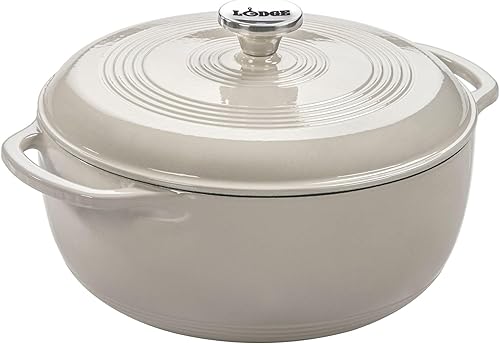
The Lodge 7 Qt Cast Iron Dutch Oven is the bare cast iron choice here. The Lodge 6 Qt Enameled Dutch Oven and Le Creuset 7.25 Qt Round Dutch Oven both have enamel finishes.
That makes the practical decision about finish and routine, not whether a brand calls the pot French or Dutch. Our guide to bare, enameled and camp cast iron Dutch ovens explains those categories in more detail.
Does “French oven” mean it was made in France?
No, the name by itself doesn't guarantee where a pot was made. If country of manufacture matters to you, check the specific brand's origin information.
“French oven” is used as a cookware term for an enameled style. Brands may use different names for similar pots, so compare the materials, shape, handles and stated oven limit instead of inferring origin from the label.
What changes when you choose enamel?
Enamel removes the seasoning step and gives you a coated cooking surface. It suits cooks who want to use the pot straight away and prefer not to maintain bare iron.
The Lodge 6 Qt Enameled Dutch Oven combines cast iron with an enamel finish. It works on gas, electric, ceramic and induction cooktops and is oven safe up to 500°F.
The Le Creuset is also enameled cast iron, and it requires no seasoning. Its light-colored interior makes it easier to monitor cooking progress as ingredients brown or a sauce reduces.
A coated surface is also a useful fit for recipes with acidic ingredients. If you want to compare the everyday trade-offs more broadly, our cast iron vs enameled Dutch oven guide covers the care differences.
Is an enamel pot easier to clean?
Enamel can simplify care because you don't maintain a seasoning layer, but you still need to follow the pot's care guidance. The Lodge enamel pot is dishwasher safe, though Lodge recommends hand washing with warm, soapy water and a nylon brush to keep it in good shape.
Le Creuset describes its enamel pot as dishwasher safe and easy to clean. For either pot, avoid rough handling that could damage the coating, and let cookware cool according to its care instructions before cleaning.
Bare cast iron takes a different routine. Our guide to cleaning a cast iron Dutch oven explains the basic care steps for protecting its seasoning.
Who should choose each type?
Choose enamel if you want a ready-to-use pot with less surface maintenance; choose bare cast iron if you want an uncoated pot and accept seasoning care. Your recipes, cooktop and willingness to lift a heavy pot help narrow the options.
Enameled cast iron suits home cooks who regularly simmer, braise, bake or serve from one pot. It is the easier starting point if you don't want to learn seasoning care or want a coated interior for acidic dishes.
Bare cast iron suits cooks who value indoor and outdoor flexibility and don't mind drying and maintaining the surface. It is a poor fit if you want to avoid seasoning upkeep or need cookware that feels light in the hand.
Both styles are heavy. Before buying, consider whether you can lift the pot safely when it is full, move it between stove and oven, and store it where its weight won't make it awkward to reach.
When should you choose enameled cast iron?
Choose enamel if you want to get cooking without seasoning the pot first, or if a coated surface better matches the food you make. Both enameled options here can move from stovetop to oven, with an oven limit of 500°F.
The Lodge 6 Qt Enameled Dutch Oven is a practical everyday choice for cooks who want compatibility with gas, electric, ceramic and induction cooktops. Its capacity suits many routine meals, but compare it with your usual batch size before buying.
The Le Creuset 7.25 Qt Round Dutch Oven is the larger enamel option in this comparison. Choose it if extra room for a bigger batch matters more than minimizing the size and weight of the cookware.
Skip enamel if you specifically want bare iron for outdoor cooking or don't want a coated surface. Enamel removes seasoning work, but the pot still needs careful handling and cleaning.
When should you choose bare cast iron?
Choose bare cast iron if you want a pot that can handle a range of indoor and outdoor settings and you're comfortable caring for seasoning. Lodge says its 7 Qt model works on stovetops, in ovens, on grills and over campfires.
Its 7 qt capacity and cast iron lid make it a substantial option for cooks who want one pot for home meals and outdoor use. It isn't the right fit if you want to avoid seasoning care or prefer a coated interior.
For a closer look at bare cast iron options, see our best cast iron Dutch ovens. For this particular Lodge, consider the cooking settings you need and whether the added care fits your routine.
How do you set up and use either pot?
Start with the manufacturer's care instructions, then match the pot to the cooktop, recipe and oven limit. A little planning around heat and lifting helps you use cast iron comfortably.
For enamel, wash the pot before its first use and follow the brand's cleaning advice. Use the stated cooktop compatibility and oven limit, and avoid sudden temperature changes that can stress cookware.
For bare iron, follow the care guidance for seasoning and cleaning. Dry it thoroughly after washing, and maintain its seasoned surface as needed to help protect it from rust.
On the stove, bring the pot up to temperature gradually and use a burner suited to its base. Cast iron holds heat well, so moderate heat is often enough once the pot is warm; high heat is not a substitute for preheating.
Before moving a hot, full pot, clear the route to its resting place and use suitable protection for your hands. Keep a steady grip on both handles, and make sure the lid is secure when carrying it.
What common buying mistakes should you avoid?
The biggest mistake is choosing by name while overlooking finish, capacity and care. A French oven label doesn't tell you whether the pot fits your cooktop, your batch size or your comfort with heavy cookware.
Don't assume every Dutch oven is bare iron or every French oven has the same features. Confirm the finish and material, then check cooktop compatibility and oven limit for the exact model.
Don't buy more capacity than your meals and storage need. A larger pot has room for bigger batches, but its weight and footprint can make everyday lifting and storage harder.
Don't treat “dishwasher safe” as the only care advice. Lodge recommends hand washing its enamel pot, and bare cast iron needs attention to its seasoning after cleaning.
Finally, don't assume an oven-safe pot works for every outdoor use. The bare Lodge model is described for grills and campfires.
The two enamel pots here are presented for stovetop and oven cooking. Check the instructions for any use beyond those settings.
Does the name tell you which pot is better for bread?
No, the name alone doesn't decide how well a pot fits your bread recipe. Check the pot's capacity, shape, oven limit and handling needs against the method you plan to use.
Both bare and enameled cast iron can be used for oven cooking, but follow the instructions for the exact pot and recipe. A heavy lid takes care to lift during baking, so plan where you'll set it down and how you'll handle it safely.
For a step-by-step method, see how to bake bread in a Dutch oven. That guide can help you plan the pot, dough and oven steps.
Which should you choose in the Dutch oven vs French oven decision?
Pick the Lodge enamel pot for everyday coated cooking, the Lodge bare cast iron pot for indoor and outdoor flexibility, or the larger Le Creuset enamel pot for bigger batches. The French oven label points toward enamel, but your care routine and cooking needs should make the final call.
Choose the Lodge 6 Qt Enameled Dutch Oven if you want no seasoning and broad cooktop compatibility. Choose the Lodge 7 Qt Cast Iron Dutch Oven if you want bare iron and can maintain its seasoning, or choose the Le Creuset if you want a larger enameled pot with a light interior.
If you want a different size or shape, browse our enameled Dutch oven options by shape. Pick the finish you'll care for consistently and the capacity you'll actually use.
Frequently asked questions
Is a French oven the same as a Dutch oven?
Often, yes. French oven commonly refers to an enameled cast iron Dutch oven, while Dutch oven can describe bare or enameled cast iron.
The names aren't applied the same way by every brand, so check the pot's material, finish, shape and care instructions before you buy.
Why do some people call it a French oven?
French oven is a common name for an enameled Dutch oven, a style associated with French cookware brands. The label doesn't guarantee a specific country of manufacture or quality level.
Focus on the actual construction, enamel finish, handles and stated oven limit.
Can you use a French oven on the stove?
Many enameled Dutch ovens work on stovetops, but compatibility depends on the exact pot. The Lodge and Le Creuset models compared here are suitable for stovetop use.
Check the maker's instructions for your cooktop and avoid sudden temperature changes.
Does an enameled Dutch oven need seasoning?
No. The enamel coating provides the cooking surface, so the Lodge and Le Creuset enameled pots here don't need seasoning.
Bare cast iron is different: it relies on seasoning and needs care that helps protect the surface from rust.
Which should you buy, bare or enameled cast iron?
Choose bare cast iron if you want a pot suited to indoor and outdoor cooking and are willing to maintain seasoning. Choose enamel if you want a ready-to-use surface that doesn't need seasoning and is easier to use with acidic ingredients.
Capacity and care habits can settle the choice.


