Mueller vs Lodge Dutch Oven: Which Is Better? (October 2026)
For Mueller vs Lodge Dutch ovens, choose Mueller for a lighter pot with raised self-basting lid nodes, or Lodge for a pot with a dishwasher-safe care option. Both are 6-quart enameled cast iron ovens rated to 500°F.
On this page (8 sections)
- Mueller vs Lodge Dutch oven: which differences matter most?
- Which pot suits your cooking and kitchen?
- What should you know about enamel care?
- How do you set up either Dutch oven for its first use?
- What common mistakes should you avoid?
- Who should buy Mueller, and who should skip it?
- Who should buy Lodge, and who should skip it?
- Mueller vs Lodge Dutch oven: what is the final decision?
For Mueller vs Lodge Dutch ovens, choose Mueller for a lighter 6-quart pot with raised self-basting lid nodes, or Lodge if you want a dishwasher-safe care option. Both are enameled cast iron, induction compatible and oven safe to 500°F.
Mueller weighs 12.5 pounds empty, compared with 14.9 pounds for Lodge. That difference can help when lifting, though both pots become heavier once filled.
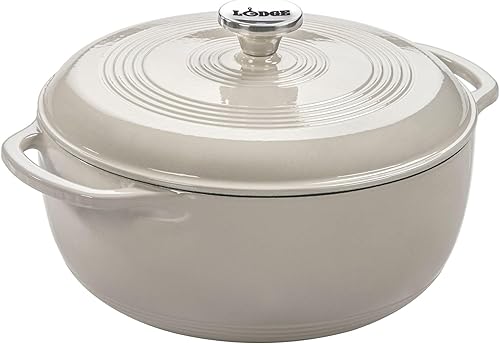

Mueller vs Lodge Dutch oven: which differences matter most?
Mueller stands out for its raised condensation nodes and lower empty weight, while Lodge offers a dishwasher-safe care option. Both pots have the same 6-quart capacity and 500°F oven limit, so the choice comes down to lid design, lifting comfort and cleanup routine.
Mueller's lid nodes are designed to collect steam and redirect it onto the food. Lodge's lid is described as moisture-sealing, but its product details do not specify raised nodes.
The empty weight difference is 2.4 pounds. That is noticeable when moving a pot, but it does not make the Mueller lightweight once dinner is inside.
Both models work on induction, gas, electric and ceramic cooktops. Mueller also names halogen compatibility, and both can move from the stovetop to the oven.
Which pot suits your cooking and kitchen?
Choose Mueller when the self-basting lid and slightly lower lifting weight match your routine; choose Lodge when the dishwasher option or brand preference matters more. Either can cover common tasks such as simmering, braising, baking and slow cooking.
Is the Mueller vs Lodge Dutch oven comparison right for a bread baker?
Mueller is the more targeted choice if you want raised lid nodes that redirect condensation during covered baking. Lodge has a moisture-sealing lid, and it is also described as suitable for bread baking.
Neither lid replaces the steam and timing steps in a bread recipe. Confirm that your loaf fits comfortably, check the recipe's oven temperature against the 500°F limit, and plan how you will lift the hot lid safely.
If bread is your main use, consider whether the pot's weight and handles are comfortable when you need to remove a hot loaf. Our guide to baking bread in a Dutch oven covers covered baking and steam.
Which option works better for soups, stews and braises?
Either pot suits covered one-pot cooking, while Mueller's raised lid nodes give it a distinct feature for returning condensation to the food. For soups and stews, the same capacity and stovetop compatibility may matter more than the lid difference.
Use a burner setting that brings food to a steady simmer without unnecessary high heat. Add liquid according to your recipe, keep the lid on when you want to retain moisture, and use both handles when moving the pot.
Lodge's moisture-sealing lid supports covered cooking too. If your meals are mostly soups, chili or beans, choose based on weight and care preferences instead of expecting a major difference in the finished dish.
Is either pot a better fit for a small kitchen?
Mueller is the easier of these two to lift empty, but both need storage room for a wide, round body and side handles. Measure the shelf, cabinet and counter space where you plan to keep it before deciding.
Think about the full cooking path as well as storage. A pot that fits a cabinet still needs room on the cooktop, space beside the oven for a hot landing spot, and a clear route to the table.
If lifting is the main concern, the Mueller's lower empty weight is useful, but neither model is a small or light pot. Compare it with options in our guide to lightweight Dutch ovens.
What should you know about enamel care?
Both pots have enamel surfaces and do not need seasoning like bare cast iron. Mueller calls for hand washing, while Lodge is dishwasher safe but recommends hand washing with warm, soapy water and a nylon brush.
Lodge's dishwasher option gives you flexibility for occasional cleanup, but hand washing is the stated care recommendation. Mueller's care instructions are hand wash only, so it is a poor fit if dishwasher cleanup is a must.
Use a soft sponge or nylon brush for routine cleaning. Avoid abrasive tools, and let the pot cool before washing rather than moving it straight from high heat into cold water.
Both enamel surfaces are described as suitable for acidic ingredients such as tomatoes, wine and citrus. That makes them convenient for tomato sauces and wine-based braises, without the seasoning routine associated with bare cast iron.
If you are still weighing coated cookware against bare iron, our guide to cast iron vs enameled Dutch ovens explains the care tradeoffs. For cleanup steps, read how to clean a cast iron Dutch oven.
How do you set up either Dutch oven for its first use?
Wash the pot before cooking, dry it, and follow the care instructions for its enamel finish. Unlike bare cast iron, these enameled pots do not need seasoning before use.
Set the pot on a burner that supports its base without crowding the neighboring burners. Keep the handles clear of the aisle and turn them inward where practical so they are less likely to be bumped.
Start with moderate heat and give cast iron time to warm. These pots retain heat well, so a low or medium setting is often enough once the contents are hot.
Use oven mitts for both the pot and lid, and choose a stable spot to set them down. If you are cooking on a glass cooktop, lift rather than drag the pot to reduce the chance of scratching the surface.
What common mistakes should you avoid?
The main avoidable problems are overheating an empty pot, thermal shock, rough handling and lifting a full pot without planning. Enameled cast iron is heavy and retains heat, so a few deliberate habits make cooking and cleanup easier.
Do not assume the lower weight makes a filled Mueller easy to carry. Use both handles, clear the route before lifting, and ask for help if the pot is too heavy to control safely.
Avoid sudden temperature changes. Let hot cookware cool before washing, and do not add cold liquid to a very hot empty pot.
Do not use abrasive cleaners or metal tools as your default approach. Gentle cleaning and the recommended nylon brush for Lodge help preserve the enamel finish.
Finally, match the cookware to the recipe. The 500°F oven rating is a maximum, not a target, and the correct temperature and lid use depend on what you are cooking.
Who should buy Mueller, and who should skip it?
Buy Mueller if you want a 6-quart enameled pot with raised self-basting lid nodes and a lower empty weight than the Lodge here. It suits cooks who make covered braises, stews or bread and prefer to hand wash cookware.
Skip Mueller if dishwasher cleaning is important or if you need a genuinely light pot for frequent lifting. At 12.5 pounds empty, it still calls for two-handed handling and storage space.
Mueller also makes sense if your kitchen uses halogen, since that cooktop type is specifically named alongside induction, gas, electric and ceramic. Its 500°F oven rating covers many recipes, but always check the temperature called for by your dish.
Who should buy Lodge, and who should skip it?
Buy Lodge if you want an enameled 6-quart pot with a dishwasher-safe option, a moisture-sealing lid and a familiar cast iron brand. Hand washing remains the recommended care, but the dishwasher option offers flexibility.
Skip Lodge if empty weight is your top concern or if you specifically want raised self-basting lid nodes. It weighs 14.9 pounds before food is added, and that can make routine lifting less comfortable.
Lodge is also a sensible fit if you cook with acidic ingredients and want an enamel surface described as non-reactive. The pot is compatible with induction, gas, electric and ceramic cooktops and is oven safe to 500°F.
Mueller vs Lodge Dutch oven: what is the final decision?
Pick Mueller for its lower empty weight and raised lid nodes; pick Lodge for its dishwasher-safe option and brand preference. Both give you 6 quarts of enameled cast iron capacity, broad cooktop compatibility and an oven limit of 500°F.
If you want a closer look at Mueller's features, read our Mueller DuraCast 6 Qt review. For another brand comparison, see Tramontina vs Lodge Dutch oven.
Frequently asked questions
Is Mueller or Lodge better for bread?
Both can be used for bread baking in the oven up to 500°F. Mueller has raised nodes inside its lid designed to redirect condensation, while Lodge has a moisture-sealing lid.
Choose Mueller if that lid feature matters to you, and check your bread recipe's temperature and pot-size needs.
Are the Mueller and Lodge 6-quart Dutch ovens induction compatible?
Both are described as compatible with induction and other common cooktops. Mueller's cooktop information includes gas, electric, ceramic, halogen and induction, while Lodge's includes gas, electric, ceramic and induction.
Check your cooktop manual if it has special cookware requirements.
Which 6-quart Dutch oven is lighter?
The Mueller weighs 12.5 pounds and the Lodge weighs 14.9 pounds, so the Mueller is 2.4 pounds lighter before food is added. Both are heavy cast iron pots, and a full pot will weigh more, so consider lifting comfort and handle grip.
Can you put both Dutch ovens in the oven?
Both models are oven safe to 500°F. Check your recipe's temperature and the cookware instructions before use, including any guidance about the lid or knob.
Use oven mitts when handling hot cookware.


